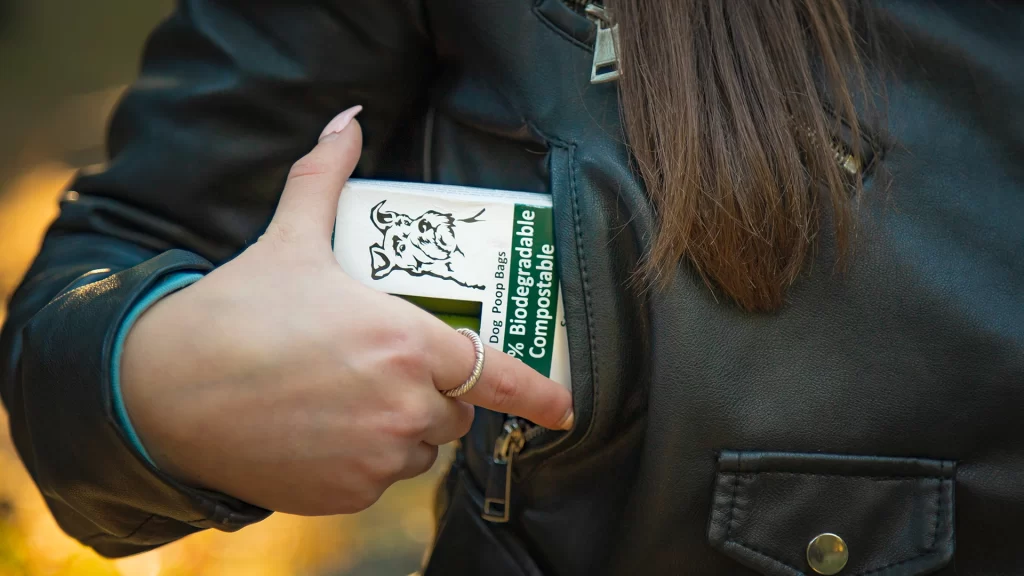

As pet owners, it’s essential to consider not only the well-being of our furry friends but also the impact our choices have on the environment. One area that often goes overlooked is pet waste management, particularly the use of plastic poop bags. Conventional plastic bags contribute to the global plastic pollution crisis, but there is a rising trend towards biodegradable alternatives that offer a more sustainable solution. In this article, we will explore the environmental impact of traditional plastic poop bags and the increasing popularity of biodegradable options.
The Environmental Impact of Conventional Plastic Poop Bags
Conventional plastic poop bags, typically made from non-biodegradable materials like polyethylene, pose significant environmental challenges. These bags take hundreds of years to break down, leading to long-lasting pollution in landfills and natural ecosystems. Improper disposal can result in bags ending up in water bodies, where they harm marine life and contribute to the plastic debris problem plaguing our oceans.
Plastic pollution has severe consequences for the environment, affecting wildlife, ecosystems, and even human health. Animals can mistake plastic bags for food, leading to ingestion and potential entanglement. The decomposition of plastic releases harmful microplastics that can contaminate soil and water, affecting plants, animals, and our food chain.
The Rise of Biodegradable Pet Poop Bags
Recognizing the need for more environmentally friendly alternatives, biodegradable pet poop bags have emerged as a sustainable solution. These bags are typically made from materials that can break down naturally over time, reducing their impact on the environment. Biodegradable bags may be manufactured from plant-based materials like cornstarch or compostable polymers derived from renewable resources.
One of the significant advantages of biodegradable poop bags is their reduced carbon footprint. The production process for these bags emits fewer greenhouse gases compared to traditional plastic bags. Additionally, their ability to break down naturally means they have a minimal long-term impact on landfills and ecosystems.
Choosing biodegradable pet poop bags also aligns with responsible pet waste management. Properly disposing of biodegradable bags, such as using composting facilities or designated waste bins, ensures that the waste is treated appropriately, minimizing pollution and facilitating the degradation process.
The environmental impact of conventional plastic poop bags cannot be ignored. As conscientious pet owners, it is our responsibility to consider sustainable alternatives. The growing availability and popularity of biodegradable pet poop bags offer a solution that reduces plastic pollution, protects ecosystems, and preserves natural resources.
By opting for biodegradable alternatives, we can contribute to the reduction of plastic waste, limit our carbon footprint, and promote responsible pet waste management. Together, we can make a significant positive impact on the environment and create a cleaner, healthier world for both our pets and future generations.
Remember, every small choice we make, such as using biodegradable pet poop bags, can add up to make a big difference in the long run. Let’s strive for a cleaner and more sustainable future, one bag at a time.